Kilowatts and kilowatt-hours describe different things
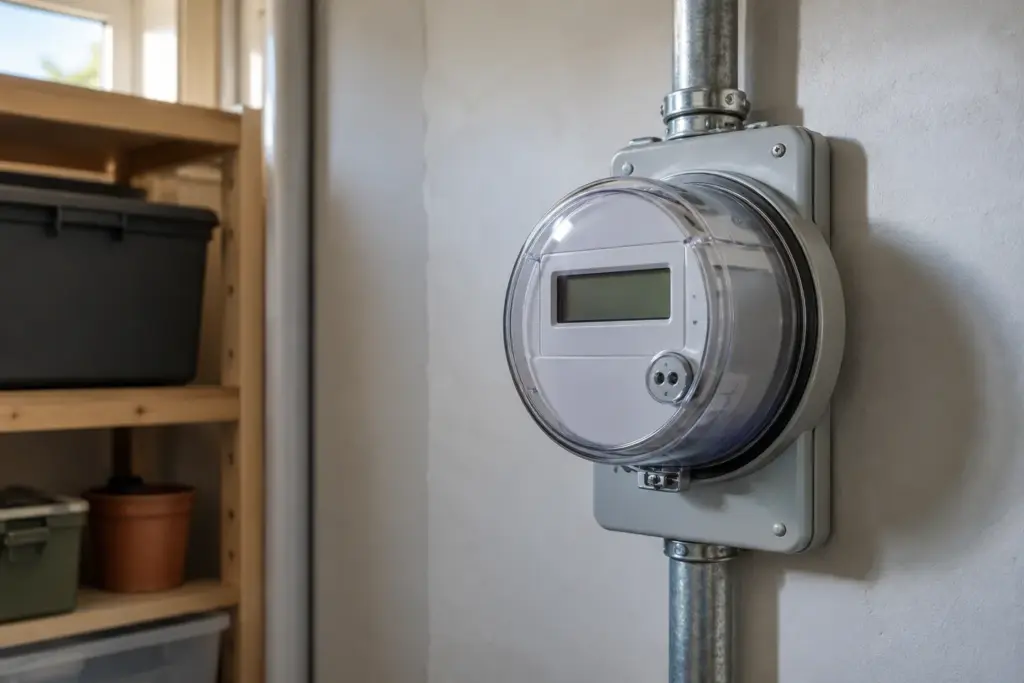
Power describes a rate. Energy describes an amount. Keeping the two apart makes specifications and bills easier to read.
Start with the unit
A kilowatt, written kW, is a unit of power. A kilowatt-hour, written kWh, is a unit of energy. The extra word is doing real work: it connects a rate of use with a period of time.
For a simple illustration, a device drawing a constant 0.5 kW for two hours uses 1 kWh. That is an arithmetic example, not a prediction for a particular appliance. Real equipment may cycle on and off or change its power draw.
Capacity is not annual output
The same distinction matters when reading about generation. A capacity figure does not by itself tell you how much energy a system will produce over a year. Operating hours and conditions are part of that story.
Before comparing two figures, write the units beside them. A large number in one unit can be smaller than a modest number in another. Convert only when you know exactly which quantity is being measured.
Keep time visible in every estimate
Suppose you are comparing two appliances for the same task. One has a higher maximum power rating but completes the task sooner. The rating alone cannot establish which uses less energy for that job. Write down both the operating power and the relevant running time, or look for a measured energy figure for a comparable cycle. Treat any missing information as a question for the manufacturer rather than filling it with an optimistic assumption.
Unit conversion can make a rough estimate easier to check. One thousand watts is one kilowatt, so a constant draw of 250 watts for four hours is 0.25 kilowatts multiplied by four hours: one kilowatt-hour. This deliberately simplified example assumes the power stays constant. If a device changes modes or switches itself off, its real use will follow that pattern instead. Record the assumption next to the calculation so that a neat result does not look like a measurement.
Separate the bill from the physical quantity
To turn an energy estimate into a running-cost estimate, use the appropriate charge per kilowatt-hour for the period concerned. Do not add a fixed monthly charge to every appliance calculation as though it were caused by that appliance. Conversely, do not assume a lower consumption estimate explains the entire bill. Keep the unit calculation, the tariff assumption and any other charges on separate lines. That makes it possible to update the estimate when your usage or pricing changes without rebuilding the reasoning from scratch.
Use the distinction at home
When estimating an appliance cost, identify its energy use over a relevant period and the applicable price per unit. A maximum power rating alone is often too little information. Fixed charges and other bill components may also matter.
The US Energy Information Administration provides a useful introduction to the units. Its examples explain the physical quantities; they are not a tariff guide for your country. Check your own bill and the product documentation before making a purchasing decision.